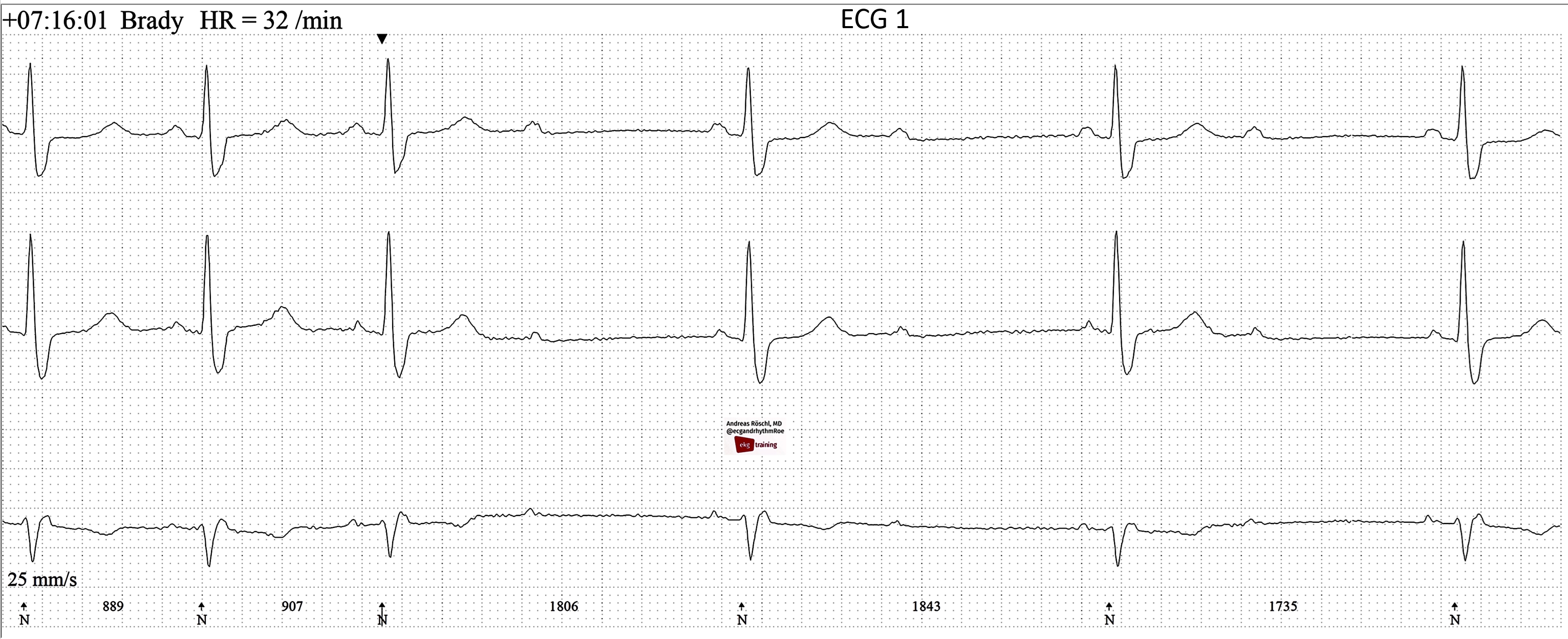
Heart block, also known as atrioventricular (AV) block, is a condition where the electrical signals that control the heartbeat are delayed or interrupted as they travel from the atria to the ventricles. Among the various types of heart block, Type II heart block is a significant and often more serious condition that requires careful management and treatment. This blog post will delve into the intricacies of Type II heart block, its causes, symptoms, diagnosis, and treatment options.
Understanding Type II Heart Block
Type II heart block, also referred to as Mobitz II heart block, is characterized by a consistent delay or failure of the electrical impulses to pass from the atria to the ventricles. This type of heart block is typically more severe than Type I (Mobitz I) heart block and often requires immediate medical attention. The condition can be further classified into two subtypes: Type II first-degree AV block and Type II second-degree AV block.
Causes of Type II Heart Block
Type II heart block can be caused by a variety of factors, including:
- Coronary Artery Disease: Blockages in the coronary arteries can reduce blood flow to the heart, leading to damage to the heart’s electrical conduction system.
- Heart Attack: A heart attack can cause permanent damage to the heart muscle, including the areas responsible for electrical conduction.
- Cardiomyopathy: Diseases that affect the heart muscle, such as dilated cardiomyopathy, can disrupt the heart’s electrical signals.
- Infections: Infections like myocarditis can inflame the heart muscle and interfere with its electrical conduction.
- Electrolyte Imbalances: Abnormal levels of electrolytes, such as potassium and magnesium, can affect the heart’s electrical activity.
- Medications: Certain medications, including some antiarrhythmic drugs and beta-blockers, can slow down the heart’s electrical conduction.
Symptoms of Type II Heart Block
Symptoms of Type II heart block can vary widely and may include:
- Dizziness or Lightheadedness: Due to a reduced heart rate and blood flow to the brain.
- Fainting (Syncope): Sudden loss of consciousness, often triggered by physical exertion or emotional stress.
- Fatigue: Persistent tiredness and weakness, even with minimal physical activity.
- Shortness of Breath: Difficulty breathing, especially during exertion.
- Chest Pain: Discomfort or pain in the chest, which may radiate to the arms, neck, or jaw.
- Palpitations: Awareness of an irregular or rapid heartbeat.
It is important to note that some individuals with Type II heart block may not experience any symptoms, especially in the early stages of the condition.
Diagnosing Type II Heart Block
Diagnosing Type II heart block involves a combination of medical history, physical examination, and diagnostic tests. The primary diagnostic tool is the electrocardiogram (ECG), which records the heart’s electrical activity. An ECG can reveal characteristic patterns indicative of Type II heart block, such as:
- Prolonged PR Interval: A delay in the conduction of electrical impulses from the atria to the ventricles.
- Dropped QRS Complexes: Missing QRS complexes on the ECG, indicating that some electrical impulses are not reaching the ventricles.
- Consistent PR Interval: Unlike Type I heart block, where the PR interval progressively lengthens, in Type II heart block, the PR interval remains constant before a dropped beat.
Additional diagnostic tests may include:
- Holter Monitor: A portable device that records the heart’s electrical activity over a 24-48 hour period.
- Event Monitor: A device that records the heart’s electrical activity during symptomatic episodes.
- Echocardiogram: An ultrasound test that provides images of the heart’s structure and function.
- Electrophysiology Study: A procedure that involves inserting catheters into the heart to map its electrical activity and identify the location of the block.
Treatment Options for Type II Heart Block
Treatment for Type II heart block depends on the severity of the condition and the underlying cause. The primary goals of treatment are to restore normal heart rhythm, improve symptoms, and prevent complications. Treatment options may include:
- Medications: Drugs such as atropine can be used to temporarily increase the heart rate. However, medications are often not sufficient for long-term management of Type II heart block.
- Pacemaker Implantation: A pacemaker is a small device implanted under the skin that uses electrical impulses to regulate the heart’s rhythm. Pacemakers are often the treatment of choice for Type II heart block, as they can effectively manage the condition and prevent life-threatening complications.
- Lifestyle Modifications: Adopting a heart-healthy lifestyle, including a balanced diet, regular exercise, and avoiding tobacco and excessive alcohol, can help manage underlying conditions that contribute to Type II heart block.
- Addressing Underlying Causes: Treating the underlying cause of Type II heart block, such as coronary artery disease or infections, is crucial for long-term management.
Living with Type II Heart Block
Living with Type II heart block requires ongoing management and monitoring. Individuals with this condition should work closely with their healthcare providers to develop a personalized treatment plan. Regular follow-up appointments, including ECG and echocardiogram tests, are essential to monitor the heart’s electrical activity and overall function. Additionally, lifestyle modifications and adherence to medication regimens can help manage symptoms and prevent complications.
📝 Note: It is crucial to seek immediate medical attention if symptoms of Type II heart block, such as dizziness, fainting, or chest pain, occur. Early diagnosis and treatment can significantly improve outcomes and quality of life.
Type II heart block is a serious condition that requires careful management and treatment. Understanding the causes, symptoms, diagnosis, and treatment options can help individuals with this condition take proactive steps to manage their health. By working closely with healthcare providers and adhering to treatment plans, individuals with Type II heart block can lead fulfilling lives while minimizing the risk of complications.
Related Terms:
- 2 degree type heart block
- type ii heart block wenckebach
- symptomatic 2nd degree heart block
- 2 1 heart block symptoms
- 2 1 heart block treatment
- 2nd degree heart block types