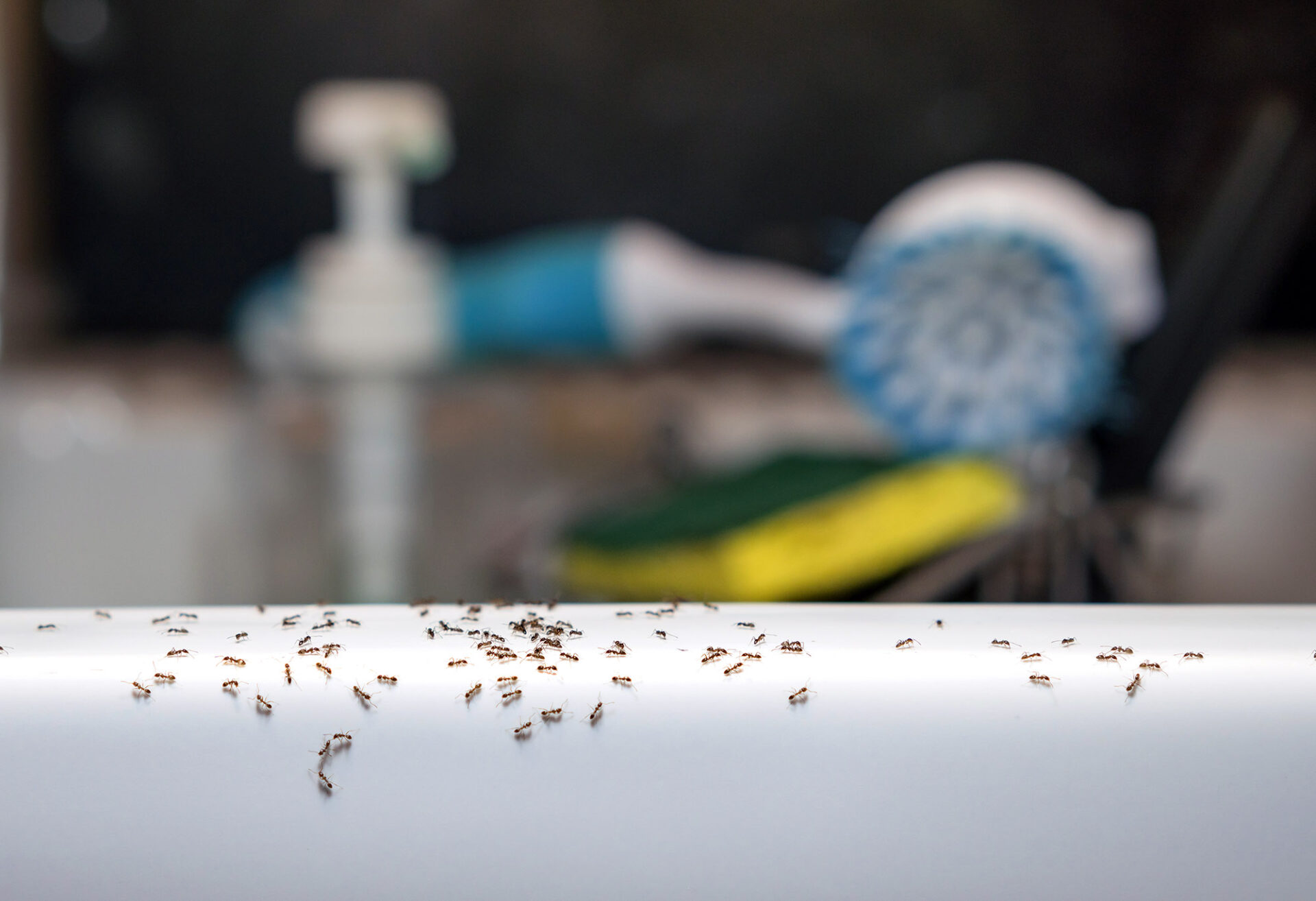
Imagine a world where tiny, almost imperceptible creatures play a monumental role in the ecosystem. These are not mythical beings but miniature tiny ants, often overlooked yet incredibly significant. These minuscule insects are part of a vast and intricate web of life that sustains our planet. Understanding their role and behavior can provide fascinating insights into the natural world and highlight the importance of even the smallest organisms.
Understanding Miniature Tiny Ants
Miniature tiny ants are a diverse group of insects belonging to the family Formicidae. They are found in virtually every terrestrial ecosystem, from dense forests to arid deserts. These ants are known for their social structure, living in colonies that can range from a few dozen to millions of individuals. Each colony is a complex society with a clear division of labor, where different ants perform specific tasks such as foraging, defense, and caring for the young.
One of the most remarkable aspects of miniature tiny ants is their ability to communicate effectively. They use a combination of chemical signals, known as pheromones, and physical interactions to convey information. For example, when a foraging ant finds a food source, it lays down a pheromone trail that other ants can follow to the same location. This collective behavior allows the colony to efficiently exploit resources and ensure its survival.
The Role of Miniature Tiny Ants in the Ecosystem
Miniature tiny ants play a crucial role in maintaining the balance of ecosystems. They are essential decomposers, breaking down organic matter and recycling nutrients back into the soil. This process is vital for plant growth and the overall health of the ecosystem. Additionally, ants are important predators and scavengers, helping to control populations of other insects and small animals.
Ants also contribute to soil aeration and nutrient distribution. As they dig tunnels and burrows, they improve soil structure and enhance water infiltration. This activity promotes plant growth and supports a diverse range of plant and animal species. Furthermore, ants are pollinators for some plant species, aiding in the reproduction and dispersal of seeds.
Behavior and Adaptations of Miniature Tiny Ants
Miniature tiny ants exhibit a wide range of behaviors and adaptations that enable them to thrive in various environments. One of the most notable adaptations is their ability to form symbiotic relationships with other organisms. For example, some ant species have mutualistic relationships with aphids, protecting them from predators in exchange for the sugary honeydew they produce. This symbiotic relationship benefits both species and highlights the interconnectedness of ecosystems.
Ants also have remarkable physical adaptations. Their small size allows them to access food sources and habitats that larger animals cannot. Additionally, their strong mandibles and powerful jaws enable them to carry objects many times their own body weight. This strength is crucial for tasks such as building nests, defending the colony, and transporting food.
Another fascinating behavior of miniature tiny ants is their ability to form supercolonies. These are large, interconnected colonies that can span vast areas and contain millions of individuals. Supercolonies are often found in urban environments, where ants can take advantage of abundant food sources and shelter. However, they can also pose challenges, as they can become invasive and disrupt local ecosystems.
The Impact of Miniature Tiny Ants on Human Activities
While miniature tiny ants are beneficial to ecosystems, they can also have significant impacts on human activities. In agricultural settings, ants can be both beneficial and detrimental. They help control pest populations by preying on insects that damage crops. However, some ant species can also protect pests, such as aphids, from natural predators, leading to increased crop damage.
In urban environments, ants can become pests, invading homes and buildings in search of food and shelter. They can contaminate food, damage structures, and cause nuisances. Effective pest management strategies are essential to control ant populations and minimize their impact on human activities. This often involves a combination of chemical and non-chemical methods, such as baiting, trapping, and habitat modification.
Despite their potential to cause problems, miniature tiny ants also offer valuable insights into human health and technology. Researchers study ant behavior and biology to develop new approaches to medicine, robotics, and artificial intelligence. For example, the collective behavior of ants has inspired the development of swarm intelligence algorithms, which are used in various fields, including optimization, data mining, and network security.
Conservation and Protection of Miniature Tiny Ants
Given their ecological importance, it is crucial to conserve and protect miniature tiny ants. However, many ant species are threatened by habitat loss, climate change, and invasive species. Conservation efforts focus on preserving natural habitats, restoring degraded ecosystems, and promoting sustainable land-use practices. Additionally, research and education are essential to raise awareness about the importance of ants and encourage their protection.
One effective conservation strategy is the establishment of protected areas, such as national parks and nature reserves. These areas provide safe havens for ant populations and support the preservation of biodiversity. Community involvement is also key, as local communities can play a vital role in monitoring and protecting ant populations. Educational programs and outreach initiatives can help engage communities and promote conservation efforts.
Furthermore, scientific research is essential for understanding the biology and ecology of miniature tiny ants. By studying their behavior, adaptations, and interactions with other species, researchers can develop effective conservation strategies and inform policy decisions. Collaboration between scientists, conservationists, and policymakers is crucial for protecting ant populations and ensuring their long-term survival.
In addition to conservation efforts, it is important to promote sustainable practices that minimize the impact on ant populations. This includes reducing pesticide use, promoting organic farming, and implementing integrated pest management strategies. By adopting these practices, we can help protect miniature tiny ants and the ecosystems they support.
Conclusion
Miniature tiny ants are fascinating creatures that play a vital role in the ecosystem. Their social structure, communication methods, and adaptations make them a subject of great interest for scientists and nature enthusiasts alike. Understanding their behavior and ecology can provide valuable insights into the natural world and highlight the importance of even the smallest organisms. By conserving and protecting these tiny insects, we can ensure the health and sustainability of our planet’s ecosystems. The intricate web of life that miniature tiny ants are a part of is a testament to the interconnectedness of all living things, reminding us of the delicate balance that sustains our world.
Related Terms:
- what are tiny ants called
- what are these microscopic ants
- small tiny ants in house
- really small ants in house
- microscopic ants 1mm
- microscopic ants in kitchen