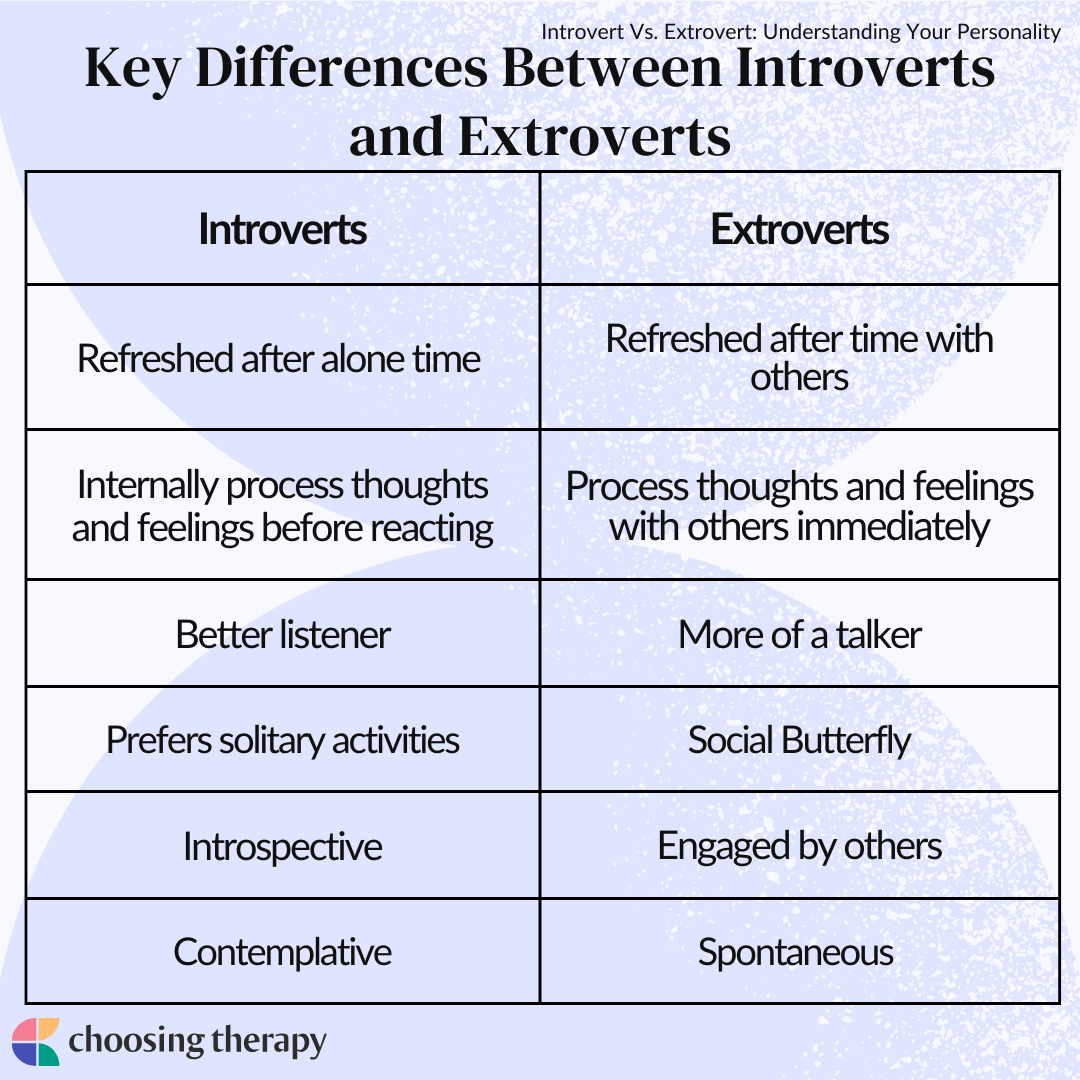
Understanding the dynamics of human personality is a fascinating journey that often leads us to explore the concepts of *Introvert, Extrovert, and Ambivert*. These terms, coined by psychologist Carl Jung, describe different ways individuals interact with the world and derive energy. While introverts tend to recharge by spending time alone, extroverts gain energy from social interactions. Ambiverts, on the other hand, fall somewhere in between, exhibiting a balance of both traits. This blog post delves into the characteristics, strengths, and challenges of each personality type, providing insights into how they navigate various aspects of life.
Understanding Introverts
Introverts are often characterized by their preference for solitude and quiet environments. They tend to be introspective and thoughtful, deriving energy from internal reflections rather than external stimuli. This personality type is often misunderstood as shy or antisocial, but in reality, introverts simply need time alone to recharge their batteries.
Some key traits of introverts include:
- Preference for deep, meaningful conversations over small talk.
- Enjoyment of solitary activities such as reading, writing, or hobbies.
- A tendency to be more reserved and cautious in social situations.
- A strong sense of self-awareness and introspection.
Introverts often excel in roles that require focus, attention to detail, and independent work. They are excellent listeners and can provide valuable insights due to their thoughtful nature. However, they may struggle in highly social or fast-paced environments, where constant interaction and quick decision-making are required.
Exploring Extroverts
Extroverts, on the other hand, thrive in social settings and gain energy from interacting with others. They are often outgoing, talkative, and enjoy being the center of attention. Extroverts are typically more comfortable in group settings and prefer activities that involve other people.
Key traits of extroverts include:
- A natural inclination towards socializing and making new friends.
- Enjoyment of group activities and teamwork.
- A tendency to be more open and expressive in their emotions.
- A preference for external stimulation and variety.
Extroverts are often seen as the life of the party and are great at networking and building relationships. They excel in roles that require public speaking, team leadership, and client interaction. However, they may find it challenging to work in solitary environments or engage in tasks that require prolonged periods of concentration.
The Balance of Ambiverts
Ambiverts are individuals who exhibit a balance of both introverted and extroverted traits. They can adapt to different situations, making them versatile and flexible in various settings. Ambiverts are often seen as the ideal personality type because they can navigate both social and solitary environments with ease.
Key traits of ambiverts include:
- The ability to adapt to different social situations.
- A balance between introspection and external stimulation.
- Flexibility in communication styles, from deep conversations to small talk.
- A tendency to be more balanced and less extreme in their behaviors.
Ambiverts often excel in roles that require a mix of independent work and team collaboration. They are adaptable and can switch between different tasks and environments with relative ease. However, they may sometimes struggle with decision-making due to their balanced nature, as they can see multiple perspectives and find it hard to commit to one.
Navigating Relationships as an Introvert, Extrovert, and Ambivert
Relationships can be both rewarding and challenging for introverts, extroverts, and ambiverts. Understanding how each personality type interacts can help in building stronger, more meaningful connections.
Introverts in Relationships:
- Introverts often prefer deep, one-on-one conversations over group interactions.
- They need alone time to recharge and may require space in a relationship.
- Introverts are loyal and committed partners, valuing quality time over quantity.
Extroverts in Relationships:
- Extroverts thrive on social interactions and enjoy being part of a couple's social circle.
- They are often expressive and open about their feelings, which can enhance communication.
- Extroverts may need more social stimulation and may feel restless if confined to solitary activities.
Ambiverts in Relationships:
- Ambiverts can adapt to both social and solitary environments, making them versatile partners.
- They are often good listeners and communicators, balancing introspection with external stimulation.
- Ambiverts can be flexible in their approach to relationships, accommodating the needs of their partners.
Understanding these dynamics can help in fostering healthier relationships, as each personality type brings unique strengths and challenges to the table.
Career Choices for Introverts, Extroverts, and Ambiverts
Choosing a career that aligns with one's personality type can lead to greater job satisfaction and success. Here are some career paths that may suit each personality type:
Introverts:
- Writer or Editor: Requires focus, attention to detail, and independent work.
- Researcher or Scientist: Involves deep thinking, analysis, and solitary work.
- Graphic Designer: Allows for creative expression and independent project work.
Extroverts:
- Sales Representative: Involves constant interaction with clients and team members.
- Public Relations Specialist: Requires strong communication skills and social networking.
- Event Planner: Involves organizing and coordinating social events and activities.
Ambiverts:
- Project Manager: Requires a mix of independent work and team collaboration.
- Teacher or Coach: Involves both one-on-one interactions and group settings.
- Consultant: Requires adaptability and the ability to work in various environments.
While these are general guidelines, it's important to note that individual preferences and skills can vary widely within each personality type.
💡 Note: Career choices should be based on a combination of personality traits, skills, and personal interests. It's essential to explore different options and consider what brings the most fulfillment and satisfaction.
Challenges Faced by Introverts, Extroverts, and Ambiverts
Each personality type faces unique challenges that can impact their personal and professional lives. Understanding these challenges can help in developing strategies to overcome them.
Introverts:
- Introverts may struggle in highly social or fast-paced environments, feeling overwhelmed by constant interaction.
- They may find it challenging to express their thoughts and feelings in group settings.
- Introverts may need to actively seek out opportunities for solitude to recharge.
Extroverts:
- Extroverts may feel restless or bored in solitary environments, lacking the external stimulation they crave.
- They may struggle with tasks that require prolonged periods of concentration and focus.
- Extroverts may need to be mindful of dominating conversations and ensure they give others space to speak.
Ambiverts:
- Ambiverts may struggle with decision-making due to their balanced nature, seeing multiple perspectives.
- They may need to actively seek out both social and solitary activities to maintain balance.
- Ambiverts may sometimes feel torn between their introverted and extroverted tendencies.
Recognizing these challenges can help individuals develop coping mechanisms and strategies to navigate their environments more effectively.
Strategies for Personal Growth
Personal growth is a continuous journey that involves self-awareness, adaptability, and a willingness to step out of one's comfort zone. Here are some strategies for personal growth tailored to each personality type:
Introverts:
- Practice public speaking or join a debate club to improve communication skills.
- Engage in social activities in small groups to build confidence in social settings.
- Set aside dedicated time for solitude to recharge and reflect.
Extroverts:
- Engage in solitary activities such as reading, meditation, or journaling to develop introspection.
- Practice active listening to improve communication and build stronger relationships.
- Set aside time for focused work to enhance concentration and productivity.
Ambiverts:
- Explore both social and solitary activities to maintain balance and adaptability.
- Practice decision-making exercises to develop clarity and confidence in choices.
- Seek feedback from others to gain different perspectives and insights.
Personal growth is a lifelong journey, and embracing new experiences and challenges can lead to a more fulfilling and balanced life.
💡 Note: Personal growth strategies should be tailored to individual needs and preferences. It's essential to approach personal development with an open mind and a willingness to learn and adapt.
The Importance of Self-Awareness
Self-awareness is a crucial aspect of understanding one's personality type and navigating life's challenges. It involves recognizing one's strengths, weaknesses, and tendencies, and using this knowledge to make informed decisions and choices.
Self-awareness can help individuals:
- Identify their preferred environments and activities.
- Understand their communication styles and adapt them to different situations.
- Develop strategies to overcome challenges and build resilience.
- Build stronger, more meaningful relationships with others.
Cultivating self-awareness involves introspection, reflection, and a willingness to seek feedback from others. It's a continuous process that evolves over time, shaped by experiences and personal growth.
Self-awareness is particularly important for introverts, extroverts, and ambiverts as it helps them understand their unique needs and tendencies, allowing them to navigate various aspects of life more effectively.
Self-awareness can be developed through various practices, including:
- Journaling: Writing down thoughts and feelings to gain insights into one's inner world.
- Mindfulness and Meditation: Practicing present-moment awareness to cultivate self-awareness and emotional regulation.
- Feedback from Others: Seeking input from friends, family, and colleagues to gain different perspectives.
- Self-Reflection: Taking time to reflect on experiences, decisions, and behaviors to understand patterns and tendencies.
By cultivating self-awareness, individuals can gain a deeper understanding of their personality type and use this knowledge to enhance their personal and professional lives.
Self-awareness is a powerful tool that can help introverts, extroverts, and ambiverts navigate the complexities of life with greater clarity and confidence.
Self-awareness is particularly important in relationships, as it helps individuals understand their communication styles and adapt them to different situations. It also enhances empathy and emotional intelligence, allowing for deeper connections and more meaningful interactions.
In the workplace, self-awareness can help individuals identify their strengths and weaknesses, enabling them to choose careers and roles that align with their personality type. It also enhances teamwork and collaboration, as individuals can better understand and appreciate the diverse perspectives and contributions of their colleagues.
Self-awareness is a continuous journey that evolves over time, shaped by experiences and personal growth. It's a powerful tool that can help individuals navigate the complexities of life with greater clarity and confidence, ultimately leading to a more fulfilling and balanced existence.
Self-awareness is particularly important for introverts, extroverts, and ambiverts as it helps them understand their unique needs and tendencies, allowing them to navigate various aspects of life more effectively.
Self-awareness can be developed through various practices, including journaling, mindfulness, meditation, seeking feedback from others, and self-reflection. By cultivating self-awareness, individuals can gain a deeper understanding of their personality type and use this knowledge to enhance their personal and professional lives.
Self-awareness is a powerful tool that can help introverts, extroverts, and ambiverts navigate the complexities of life with greater clarity and confidence, ultimately leading to a more fulfilling and balanced existence.
Self-awareness is particularly important in relationships, as it helps individuals understand their communication styles and adapt them to different situations. It also enhances empathy and emotional intelligence, allowing for deeper connections and more meaningful interactions.
In the workplace, self-awareness can help individuals identify their strengths and weaknesses, enabling them to choose careers and roles that align with their personality type. It also enhances teamwork and collaboration, as individuals can better understand and appreciate the diverse perspectives and contributions of their colleagues.
Self-awareness is a continuous journey that evolves over time, shaped by experiences and personal growth. It's a powerful tool that can help individuals navigate the complexities of life with greater clarity and confidence, ultimately leading to a more fulfilling and balanced existence.
Self-awareness is particularly important for introverts, extroverts, and ambiverts as it helps them understand their unique needs and tendencies, allowing them to navigate various aspects of life more effectively.
Self-awareness can be developed through various practices, including journaling, mindfulness, meditation, seeking feedback from others, and self-reflection. By cultivating self-awareness, individuals can gain a deeper understanding of their personality type and use this knowledge to enhance their personal and professional lives.
Self-awareness is a powerful tool that can help introverts, extroverts, and ambiverts navigate the complexities of life with greater clarity and confidence, ultimately leading to a more fulfilling and balanced existence.
Self-awareness is particularly important in relationships, as it helps individuals understand their communication styles and adapt them to different situations. It also enhances empathy and emotional intelligence, allowing for deeper connections and more meaningful interactions.
In the workplace, self-awareness can help individuals identify their strengths and weaknesses, enabling them to choose careers and roles that align with their personality type. It also enhances teamwork and collaboration, as individuals can better understand and appreciate the diverse perspectives and contributions of their colleagues.
Self-awareness is a continuous journey that evolves over time, shaped by experiences and personal growth. It's a powerful tool that can help individuals navigate the complexities of life with greater clarity and confidence, ultimately leading to a more fulfilling and balanced existence.
Self-awareness is particularly important for introverts, extroverts, and ambiverts as it helps them understand their unique needs and tendencies, allowing them to navigate various aspects of life more effectively.
Self-awareness can be developed through various practices, including journaling, mindfulness, meditation, seeking feedback from others, and self-reflection. By cultivating self-awareness, individuals can gain a deeper understanding of their personality type and use this knowledge to enhance their personal and professional lives.
Self-awareness is a powerful tool that can help introverts, extroverts, and ambiverts navigate the complexities of life with greater clarity and confidence, ultimately leading to a more fulfilling and balanced existence.
Self-awareness is particularly important in relationships, as it helps individuals understand their communication styles and adapt them to different situations. It also enhances empathy and emotional intelligence, allowing for deeper connections and more meaningful interactions.
In the workplace, self-awareness can help individuals identify their strengths and weaknesses, enabling them to choose careers and roles that align with their personality type. It also enhances teamwork and collaboration, as individuals can better understand and appreciate the diverse perspectives and contributions of their colleagues.
Self-awareness is a continuous journey that evolves over time, shaped by experiences and personal growth. It's a powerful tool that can help individuals navigate the complexities of life with greater clarity and confidence, ultimately leading to a more fulfilling and balanced existence.
Self-awareness is particularly important for introverts, extroverts, and ambiverts as it helps them understand their unique needs and tendencies, allowing them to navigate various aspects of life more effectively.
Self-awareness can be developed through various practices, including journaling, mindfulness, meditation, seeking feedback from others, and self-reflection. By cultivating self-awareness, individuals can gain a deeper understanding of their personality type and use this knowledge to enhance their personal and professional lives.
Self-awareness is a powerful tool that can help introverts, extroverts, and ambiverts navigate the complexities of life with greater clarity and confidence, ultimately leading to a more fulfilling and balanced existence.
Self-awareness is particularly important in relationships, as it helps individuals understand their communication styles and adapt them to different situations. It also enhances empathy and emotional intelligence, allowing for deeper connections and more meaningful interactions.
In the workplace, self-awareness can help individuals identify their strengths and weaknesses, enabling them to choose careers and roles that align with their personality type. It also enhances teamwork and collaboration, as individuals can better understand and appreciate the diverse perspectives and contributions of their colleagues.
Self-awareness is a continuous journey that evolves over time, shaped by experiences and personal growth. It's a powerful tool that can help individuals navigate the complexities of life with greater clarity and confidence, ultimately leading to a more fulfilling and balanced existence.
Self-awareness is particularly important for introverts, extroverts, and ambiverts as it helps them understand their unique needs and tendencies, allowing them to navigate various aspects of life more effectively.
Self-awareness can be developed through various practices, including journaling, mindfulness, meditation, seeking feedback from others, and self-reflection. By cultivating self-awareness, individuals can gain a deeper understanding of their personality type and use this knowledge to enhance their personal and professional lives.
Self-awareness is a powerful tool that can help introverts, extroverts, and ambiverts navigate the complexities of life with greater clarity and confidence, ultimately leading to a more fulfilling and balanced existence.
Self-awareness is particularly important in relationships, as it helps individuals understand their communication styles and adapt them to different situations. It also enhances empathy and emotional intelligence, allowing for deeper connections and more meaningful interactions.
In the workplace, self-awareness can help individuals identify their strengths and weaknesses, enabling them to choose careers and roles that align with their personality type. It also enhances teamwork and collaboration, as individuals can better understand and appreciate the diverse perspectives and contributions of their colleagues.
Self-awareness is a continuous journey that evolves over time, shaped by experiences and personal growth. It's a powerful tool that can help individuals navigate the complexities of life with greater clarity and confidence, ultimately leading to a more fulfilling and balanced existence.
Self-awareness is particularly important for introverts
Related Terms:
- introverted vs extroverted mbti
- both intro and extrovert called
- introvert extrovert ambivert omnivert meaning
- introvert extrovert and ambivert quiz
- mindforest ambivert vs introvert
- introvert extrovert and ambivert test